Column · @andydicm394
Body Contouring Farmington Hills: Small Changes That Make a Big Difference
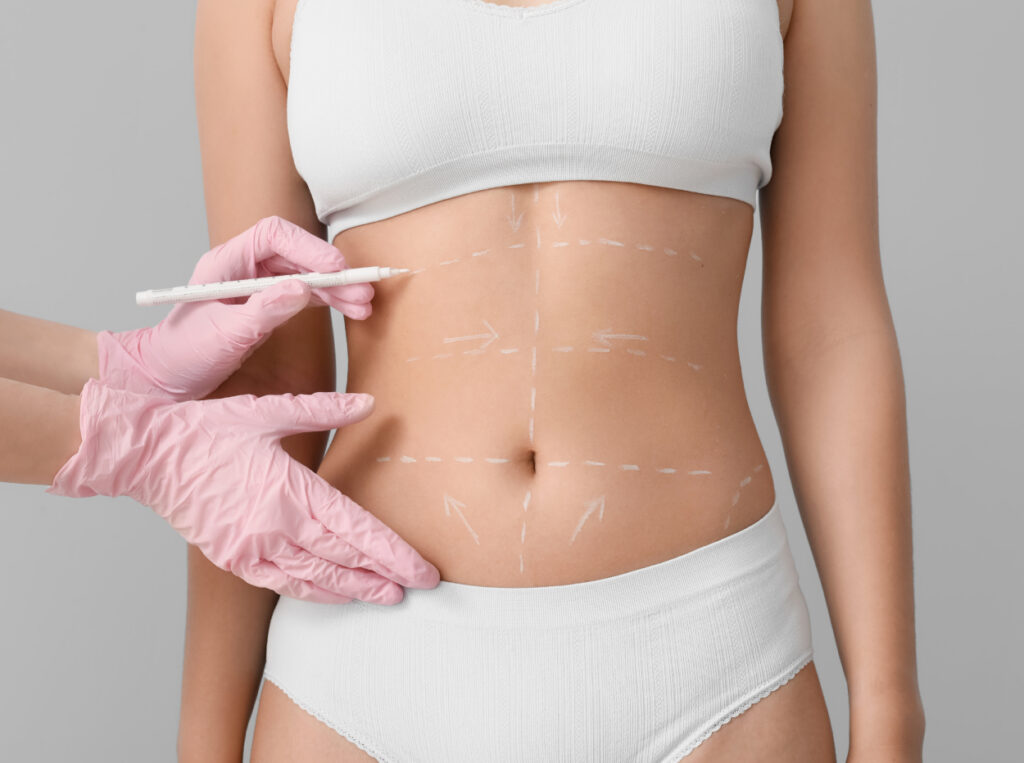

A lot of people picture body contouring as a dramatic, all-at-once transformation. In practice, the best results are usually quieter than that. A smoother waistline in fitted clothes. Less fullness under the chin on video calls. Better definition through the abdomen after months of exercise that improved strength but did not quite change shape. These are not trivial wins. They are often the difference between feeling generally healthy and feeling comfortable in your own skin.
That gap matters, especially for patients who have already done much of the hard work. They are eating better, moving consistently, sleeping a little more, drinking less, and still noticing areas that refuse to respond. In a place like Farmington Hills, where busy professionals, parents, and active adults often juggle packed schedules, body contouring tends to appeal not because people want to look unrecognizable, but because they want their effort to show.
The phrase Body Contouring Farmington Hills covers a broad range of treatments and goals. It can mean reducing pockets of stubborn fat, tightening loose skin, improving the silhouette after weight loss, or refining proportions in one targeted area. What unites these goals is not vanity. It is alignment. People want how they look to better match how they feel.
The real appeal of subtle change
Patients often come in talking about one “problem area,” but the concern is rarely just anatomical. It is usually tied to clothing, confidence, or a life stage. Someone in their forties may feel frustrated that their midsection looks softer despite staying active. A new mother may feel strong again but still notice loose tissue around the lower abdomen. A man who has lost 40 pounds may be proud of the scale number and still bothered by fullness in the flanks that makes pants fit awkwardly.
Small changes matter because the body is visual in a cumulative way. A modest reduction in abdominal fullness can make posture look better. A more defined jawline can make the entire face seem more rested. Slight contour improvement in the thighs can change how someone shops, sits, or moves through a workout. It does not take a movie-star transformation to create a meaningful effect in day-to-day life.
This is one reason the best body contouring plans are highly specific. The treatment is not just about removing or reducing something. It is about deciding what improvement would actually change the patient’s life in a useful way.
What body contouring usually means in practice
Body contouring is an umbrella term, not a single procedure. In most clinical settings, it refers to treatments designed to reshape or refine areas of the body that have not responded fully to lifestyle efforts. That may involve non-surgical fat reduction, skin tightening, muscle stimulation, liposuction, or post-weight-loss contouring procedures. The right option depends on what is really causing the concern.
This distinction is where many consultations become more productive. Fullness can come from subcutaneous fat, but it can also come from skin laxity, muscle separation, posture, or a combination of factors. A patient may point to the abdomen and say, “I want this gone,” when what they are seeing is not just fat. If the issue is mostly loose skin after pregnancy or weight loss, a fat-reduction treatment alone may disappoint them. If the issue is mild, pinchable fat with good skin tone, a non-surgical option may fit very well.
That nuance matters in Body Contouring Farmington Hills because many patients are looking for something efficient, realistic, and appropriate to their lifestyle. A treatment can be popular and still be wrong for a specific body type. Experience shows in these conversations. So does honesty.
The difference between fat reduction and skin tightening
One of the most common misunderstandings in body contouring is the assumption that “smaller” and “tighter” are the same thing. They are not. Reducing fat volume and tightening skin address two different concerns, even when they happen in the same area.
Think of the lower abdomen. If someone has a little extra fat but the skin snaps back well, reducing that fat can improve contour nicely. If someone has loose, crepey, stretched skin after pregnancy, the result will depend far more on skin quality. Removing some fat from a loose area can occasionally make laxity more obvious rather than less. That does not mean the patient is not a candidate for improvement. It means the treatment plan needs to match the tissue.
The same is true under the chin, along the upper arms, and through the bra line. Patients often feel relieved when someone explains this clearly, because it replaces vague hope with a sharper expectation. Better expectations almost always lead to better satisfaction.
Why the consultation matters more than the treatment menu
A polished website can make every option sound interchangeable. Real life is less tidy. The consultation is where the important questions get sorted out. What exactly bothers you? When did you first notice it? Has your weight been stable? Do you want a one-time surgical result, or would you rather accept a milder outcome with little downtime? Are you preparing for a wedding in three months, or are you thinking in terms of the next few years?
These details shape everything. A patient with a stable weight and a localized fat pocket may do well with targeted treatment. A patient whose weight fluctuates by 15 pounds every winter and summer may see inconsistent results no matter what they choose. A patient who says they want non-surgical treatment but expects surgery-level change is not being difficult. They may simply need clearer education before spending money.
Good providers do not sell from a menu. They diagnose the concern, then discuss what is likely to help, what probably will not, and where the line between meaningful and minimal improvement really sits. That conversation is the backbone of quality care.
Common treatment goals in Farmington Hills
While every practice sees a mix of concerns, certain patterns come up repeatedly. Abdomen and flanks remain the classic treatment areas for both women and men. Under-chin fullness is another frequent request, especially in an era of constant photos, video meetings, and social media. Arms and thighs are common too, particularly for patients who feel fit overall but dislike one area that looks out of proportion.
Postpartum patients often describe a mismatch between their functional recovery and their visual recovery. They may be back to work, back to exercise, back to family routines, and still feel that the abdomen does not look like their own. Weight-loss patients describe something similar. They are proud of major progress but frustrated by loose or uneven areas that make it harder to enjoy the result.
What stands out in these conversations is that people are rarely chasing perfection. Most are looking for proportion, ease, and a sense that their body reflects the discipline they have already invested.
Non-surgical options can be useful, but they are not magic
Non-surgical body contouring has become more sophisticated, and for the right candidate it can be a practical option. That said, these treatments work best when patients understand the scale of change. They tend to suit people with mild to moderate concerns, relatively stable weight, and good skin quality. They can improve contour, but they do not replace surgical reshaping when larger changes are needed.
In clinic settings, one of the most valuable parts of counseling is helping patients think in percentages rather than fantasies. If a treatment can improve a small area enough that clothing fits better and self-consciousness drops, that can be a very good outcome. If the patient is hoping to go down multiple sizes or erase loose skin, the same treatment will feel underwhelming.
This is where marketing often gets ahead of medicine. Photos are usually taken under ideal conditions, and the best responders tend to be the most visible. A seasoned provider will talk about ranges, not guarantees. That can feel less exciting in the moment, but it is much more respectful of the patient.
Surgical contouring has a place, especially when tissue has changed significantly
There is sometimes pressure to treat every concern with a device because it feels easier to discuss. But surgery remains the better tool in some situations. Significant skin laxity, pronounced abdominal muscle separation, and larger-volume contour concerns often respond more reliably to surgical approaches than to repeated non-surgical sessions.
That does not mean surgery is the right answer for everyone in Body Contouring Farmington Hills. It means the conversation should include trade-offs. Surgery usually offers a greater degree of change, but it comes with recovery, cost, and the realities of scars. Non-surgical treatment usually offers less downtime, but also less transformation. There is no universally superior choice. There is only the better choice for the patient’s anatomy, timeline, and tolerance for downtime.
The most satisfied patients tend to be the ones who pick the approach that actually matches their goal, rather than the one that sounds easiest on paper.
What makes someone a strong candidate
Good candidacy is less about age and more about tissue quality, stability, and expectations. A 32-year-old with major weight fluctuations may be a weaker candidate than a 58-year-old with stable habits and mild localized fullness. Providers look for patterns that suggest results will hold.
A strong candidate usually has several of these traits:
- a stable weight for at least several months
- a specific, localized concern rather than generalized weight-loss goals
- realistic expectations about the degree and speed of change
- healthy skin quality relative to the area being treated
- a willingness to maintain results with consistent habits
These points sound simple, but they shape results more than many people realize. Body contouring is not a substitute for weight management. It is a finishing tool. When used that way, it tends to feel worthwhile.
Recovery and downtime are often misunderstood
Downtime means different things to different people. One patient hears “minimal downtime” and imagines being able to attend a workout class that evening. Another hears the same phrase and is perfectly content with a week of swelling as long as they can still work at a desk. Clarifying this upfront prevents frustration.
Even non-surgical treatments can involve temporary swelling, tenderness, numbness, or unevenness while the body responds. Surgical options obviously require more recovery, but even then, the timeline is not always intuitive. A person may be functioning fairly quickly and still not look “final” for weeks or months. Swelling has a way of testing patience, especially in people who are used to controlling outcomes through effort.
This is one reason timing matters. If someone wants to look their best for a milestone event, they should not wait until the last minute. Body contouring rewards planning. It rarely rewards urgency.
The psychology is real, and it deserves respect
Professionals in aesthetics see this often: two patients with the same anatomy can have very different relationships to the same concern. One shrugs off a small lower-belly bulge and moves on. Another thinks about it every time they get dressed. Neither reaction is wrong. The role of a good consultation is not to judge the concern, but to understand it.
At the same time, body contouring should not carry the burden of fixing self-worth. The healthiest motivations are usually specific and grounded. “I want my clothes to fit better.” “I want to feel less distracted by my chin in photographs.” “I worked hard to lose weight and want to refine the result.” These are stable goals. They are tied to lived experience, not perfectionism.
When the motivation is vague or emotionally loaded, providers should slow the process down. That is not a sales loss. It is good care.
How results are maintained after treatment
One of the quiet truths about body contouring is that maintenance starts before treatment, not after. If a patient’s routine is chaotic, sleep is poor, meals are inconsistent, and stress is high, results may still happen, but they are harder to preserve and harder to appreciate. Contouring works best when it sits on top of a reasonably steady baseline.
After treatment, the basics become even more important. Hydration, movement, adequate protein, and weight stability all matter. So does patience. Some people evaluate their outcome too early, especially after swelling-producing treatments. Others gain and lose the same ten pounds repeatedly and then assume the procedure “stopped working.” Usually, the body is simply responding https://www.behance.net/ardwaterproof to the same forces it always has.
A practical maintenance mindset looks like this:
- keep weight within a fairly narrow range
- continue resistance training or regular activity
- address nutrition habits that caused regain in the past
- follow post-treatment instructions closely
- judge results on a months-long timeline, not a weekend timeline
None of this is glamorous, but it is where long-term satisfaction lives.
The value of choosing improvement over extremes
There is a reason subtle body contouring often ages better than aggressive change. The body looks most convincing when it still looks like itself. Refinement tends to harmonize. Overcorrection tends to draw attention. This applies across age groups and treatment types.
Some of the happiest patients are the ones whose friends cannot quite identify what changed. They just hear that they look rested, leaner, or healthier. Their pants sit better. Their profile looks cleaner. Their confidence rises because the result feels believable. That kind of improvement is easy to live with. It does not require a new identity.
In Body Contouring Farmington Hills, this approach often fits the local patient population well. Many people want visible improvement, but they also want privacy, practicality, and results that make sense for work, family, and community life. They do not need a spectacle. They need a thoughtful plan.
Questions worth asking before moving forward
Patients do not need to become technical experts, but they should feel comfortable asking direct questions. What kind of result is realistic for my anatomy? Is my concern mostly fat, skin, or both? How many sessions are typical? What will I look like at one week, one month, and three months? If this treatment underperforms, what would the next step be?
Those questions reveal a lot about the quality of the consultation. A careful provider will answer with specifics, not generic reassurance. They will tell you when a less invasive option is reasonable and when it is likely to disappoint. They will also talk plainly about cost, maintenance, and whether your expectations line up with what the treatment can actually deliver.
That kind of candor is not pessimistic. It is the basis for trust.
Where small changes become big differences
There is a moment many patients describe after body contouring, and it rarely sounds dramatic. They notice they are no longer tugging at a shirt hem. They choose a fitted dress without immediately changing out of it. They catch their reflection from the side and feel relieved rather than critical. These are small moments, but they accumulate quickly.
The body does not need to be transformed to feel more at home. Often, it just needs one area brought back into better proportion. That is the real promise of contouring when it is done thoughtfully. Not perfection, not reinvention, but relief. A little less friction between how you live and how you feel when you look in the mirror.
For patients considering Body Contouring Farmington Hills, that perspective is useful. The question is not whether treatment can do everything. It is whether it can do enough, in the right place, for the right reason, to make daily life feel easier. When the answer is yes, the difference can be far bigger than the change itself.
Aesthetic Plastic Surgery & Laser Center, Michelle Hardaway M.D.
Address: 27920 Orchard Lake Rd, Farmington Hills, MI 48334
Phone number: +12482211957
FAQ About Body Contouring Farmington Hills
What does body contouring actually do?
Body contouring (or body sculpting) eliminates stubborn localized fat, tightens loose, sagging skin, and reshapes your silhouette. It is not a weight-loss tool, but rather a cosmetic procedure used to refine and tone specific trouble spots after major weight loss, pregnancy, or aging.
How much does body contouring usually cost?
The total cost of body contouring usually ranges from $2,000 to $25,000+ depending entirely on whether you choose non-surgical sessions or major surgical procedures.
Because "body contouring" covers everything from simple fat-freezing to comprehensive post-weight-loss surgeries, pricing is heavily categorized by the method used.
What is the best type of body contouring?
Liposuction is a huge topic and worth discussing in more detail, but in terms of body contouring and sculpting, nothing does the job better than liposuction, particularly VASER liposuction.